

Volteco Volgrip Ep – Environmental Protection
VOLGRIP EP – ENVIRONMENTAL PROTECTION
VOLGRIP EP – ENVIRONMENTAL PROTECTION
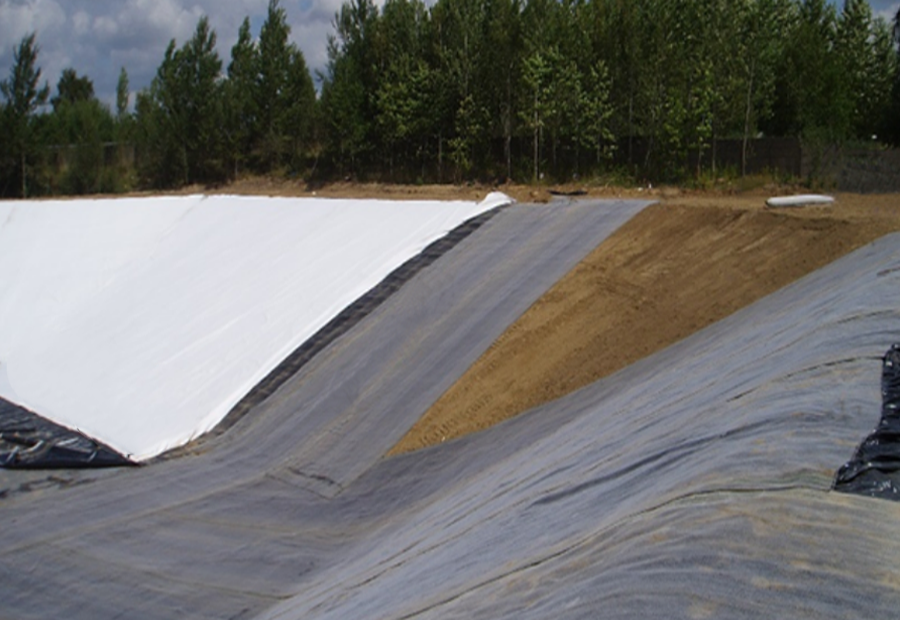
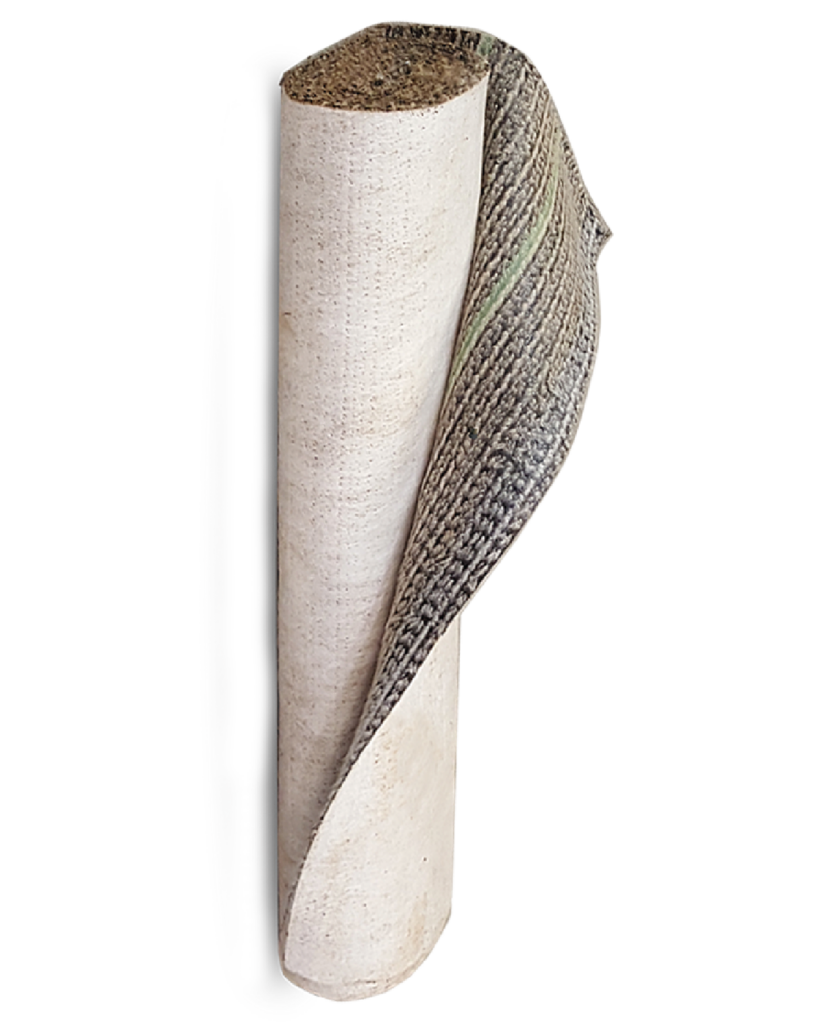
Volgrip ep is a bentonite geomembrane, composed of sodium bentonite encapsulated between two geotextiles, for the effective waterproofing of water containment or waste storage and disposal structures, whether built with natural soil or concrete.
information
ADVANTAGE
- High impermeability
- Insuperable self-confinement
- Natural-based product, it earns points for LEED certification
- Robust construction, can also be drilled, cut and shaped for any adaptation
BRAND
Volteco
PRODUCT TYPE
Waterproof Material
TEXTILE
Outdoor non-woven textile
NON-WOVEN WEIGHT
200 g/m²
FLUID LOSS INDEX
18 ml (ASTM D 5890)
QUICK APPLICATION
Easy and quick application
PRODUCT APPLICATION
In combination with a protective confinement layer of concrete or compacted soil for the construction of:
- Solid waste landfills
- Reservoirs and dams
- Canals and river banks
- Landfills for disposal or secondary containment of liquid waste
- Infrastructure works such as roads, railways, airport runways...
PRODUCTION
Made in Italy
WEIGHT
100 g/m²
MAXIMUM AGGREGATE SIZE
0.7 mm
SPECIFIC WEIGHT
> 1.7 kg/l
SODIUM BENTONITE CONTENT
4200 g/m²
SUN AND HUMIDITY
The products must be stored in a dry place protected from sun and humidity.
RESISTANCE TO STATIC PUNCHING (CBR)
1.5 kN
HYDRAULIC CAPACITY OF THE GEOCOMPOSITE
6E⁻⁹ m³/m²/s (UNI EN 12236)
THICKNESS
3 mm
FREE SWELLING
24 ml/2g
STRUCTURE
Waste storage and disposal structures
TENSILE STRENGTH
8 kN/m (UNI EN ISO 10319)
SURFACE
Application on tilted surfaces
WATERTIGHTNESS (WATER PASSAGE WITH 60 KPA)
No passage (UNI EN 1928)
PACKAGING AND STORAGE
The product is packed in rolls as follows:.
- 2.50x30 m, reaching a total length of 75 m² and a weight of about 375 kg (packaging excluded)
- 2.50x30 m, reaching a total length of 75 m² and a weight of about 750 kg (packaging excluded)
PREPARATION AND APPLICATION
PREPARATION OF THE LAYING SURFACE
Smooth out large voids and/or unevenness and level the surface with lean concrete, alternatively compact the laying surface with suitable means according to modified Proctor 85 test.
INSTALLATION
Apply volgrip ep with the textile surface facing upwards, with staggered joints and overlapping the edges by 20
Cm.
Granular sodium bentonite (see relative data sheet) must be homogeneously deposited along the overlaps.
ON SLOPING FLOORS, THE SHEETS MUST BE FIXED TO THE BOTTOM:
- In the case of a lean concrete base with nails and fix 5
- In the case of compacted soil with the aid of steel rod connectors
COVERAGE
Cover volgrip ep with concrete or a well-compacted soil layer of at least 40 cm. The protective ground cover must consist of well-graded soil, sand or crushed gravel (avoid sharp stones or stones with a diameter of more than 2.5 cm).
The protective covering must be distributed using low-load machinery, keeping the covering material constantly between the covering and the wheels. It is important that machinery or other heavy vehicles do not pass over volgrip ep until it has been covered with at least 30 cm of protective material.
HOW IT WORKS
When in contact with water, or just simply in contact with the ground humidity, the natural sodium bentonite contained in volgrip ep turns into a waterproof gel through hydration and expands up to 16 times its initial dry volume while remaining waterproof tank to the self-containment implemented by outdoor non-woven textile. In the case of concrete structures, the special volgrip ep needle-punching allows perfect self-containment in such expansion once the casting is carried out (which is very important to obtain high waterproofing.
In fact, the fibres of the non-woven textile (on the external side) protrude purposely from the textile (on the internal side) and during the casting, the fibres are embedded into the concrete, thereby resulting in excellent mechanical adhesion of all the product layers to the structure (not simple superficial adhesion). Otherwise, in the case of compacted soil for protection, the soil itself will perform the confinement function.
The laying surfaces may be damp/wet and must not have any large protuberances or cavities or continuous water flows that could jeopardise the independent sealing of the overlaps. The sheets can be folded and cut in any direction.
