

Bradstone Driveway Infilta Block Paving
DRIVEWAY INFILTA BLOCK PAVING
DRIVEWAY INFILTA BLOCK PAVING
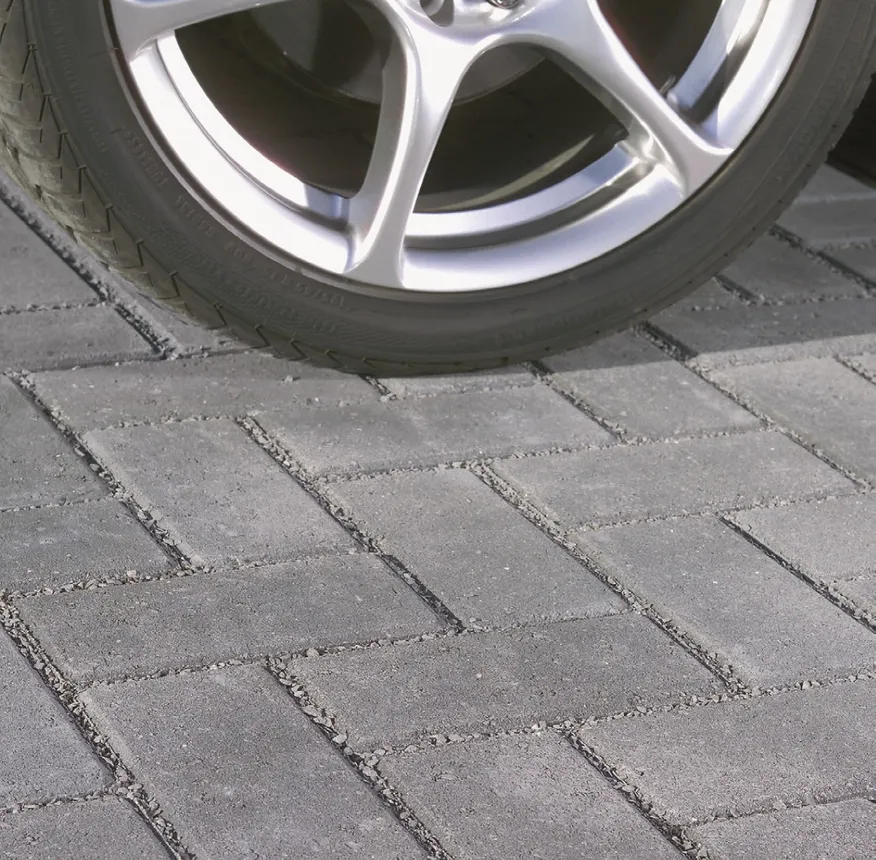
Driveway Infilta is both stylish and practical. When it’s laid as part of a permeable solution, any water that lands on it simply drains away between the blocks, stopping surface water from collecting.
Importantly, this satisfies all the stringent legislation regarding front driveways. Infilta must be laid using permeable aggregates.
INFORMATION
PRODUCTION
Made in British
THICKNESS
60 mm
BRAND
Bradstone
PRODUCT TYPE
Block Paving
COLLECTION
Driveway
AVAILABLE COLORS
4
LOOK
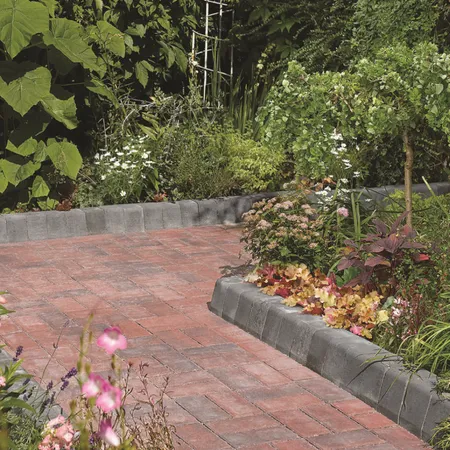
Sleek
MAINTENANCE
To maintain the paving system, it's recommended to:
- Inspect it at least twice a year, in the spring and autumn, or after a
major storm.
- Brush the surface to remove debris and sediment.
- Keep the area free of vegetation.
- Refill the joints with material whenever they become empty.
USE
Outdoor
MATERIAL
Concrete
DETAIL
Driveway Infilta paving by Bradstone is a premium solution designed to combine aesthetic appeal with advanced drainage capabilities.
These permeable pavers are engineered to facilitate efficient water management by allowing rainwater to seep through the joints, reducing surface runoff and preventing flooding.
This makes Infilta paving ideal for sustainable urban drainage systems (SUDS), promoting groundwater replenishment and mitigating the risk of water pooling on driveways.
COLORS
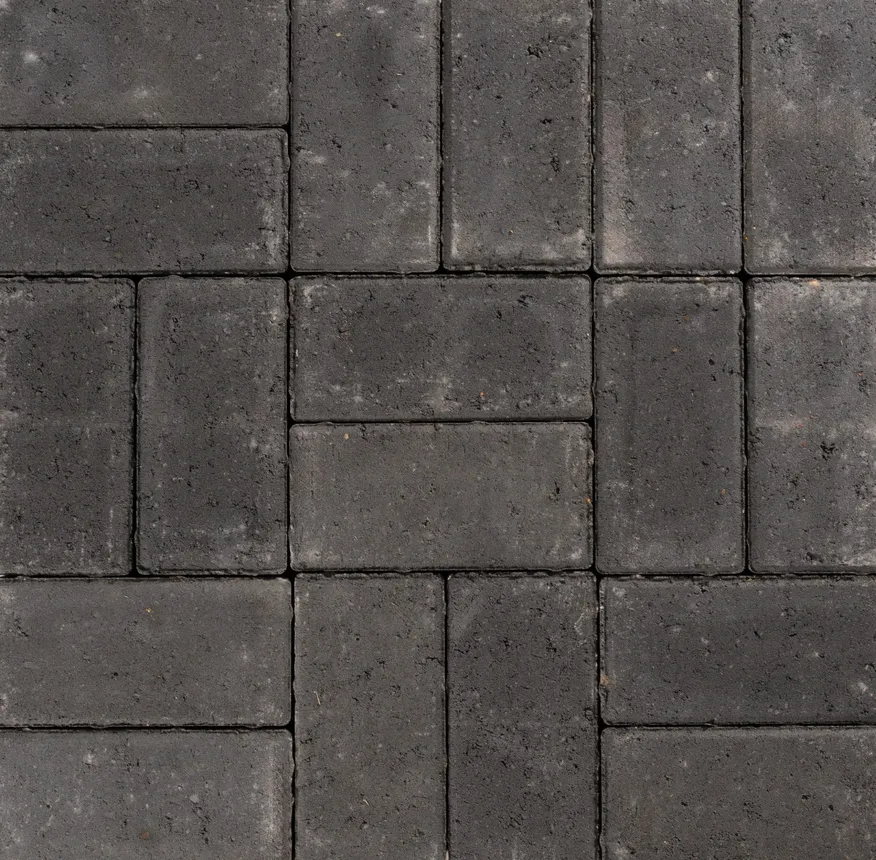
AVAILABLE CLEAN
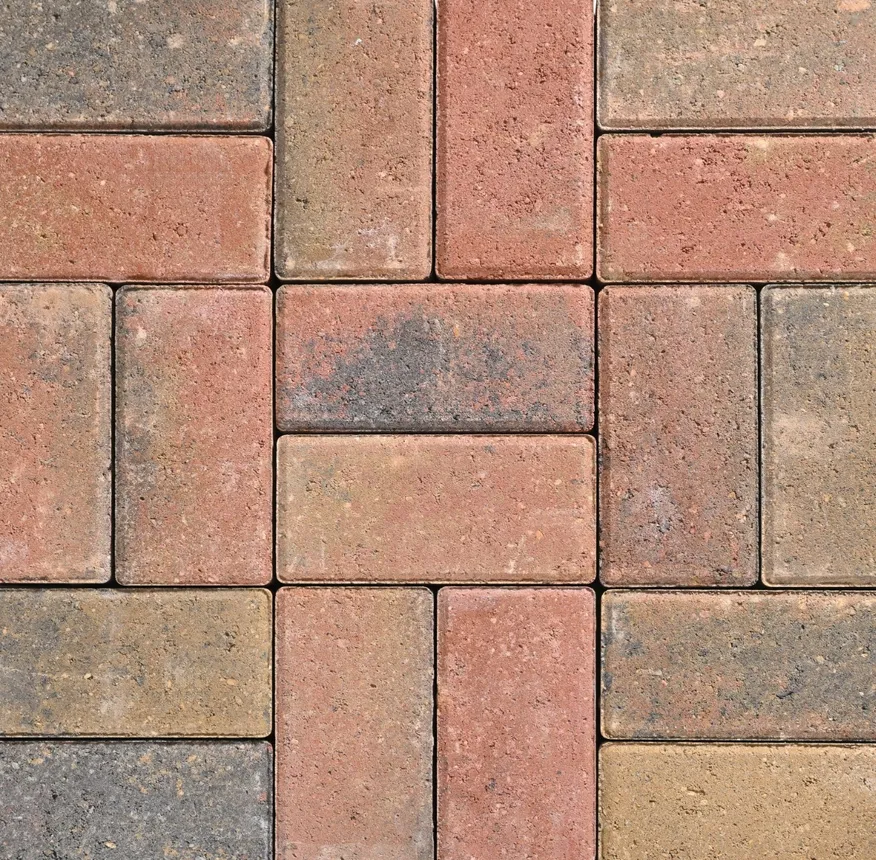
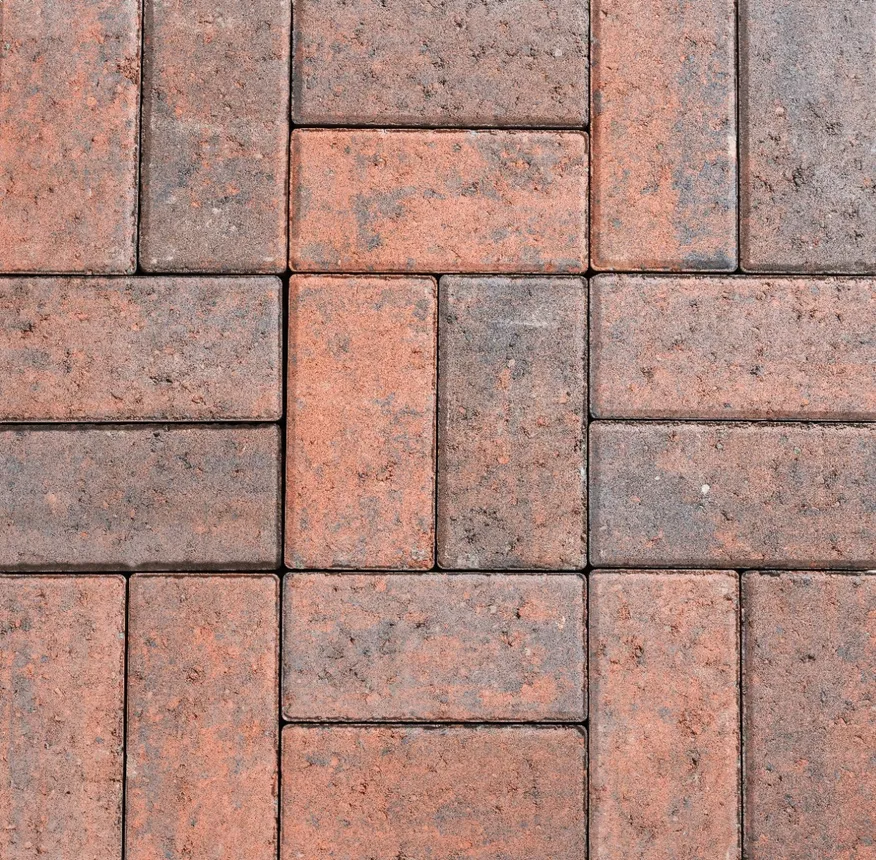
Available in a clean 200x100mm sized 8.08m2 pack and a range of colours: Autumn, Charcoal and Brindle.
FEATURES
One of the standout features of Infilta paving is its durability. Made from high-quality concrete, these pavers are designed to withstand the heavy loads and wear typical of driveways.
BENEFITS
Combining environmental benefits, durability, and versatile design options, Driveway Infilta paving by Bradstone is an excellent choice for enhancing the functionality and visual appeal of residential driveways.
TECHNICAL INFORMATION
| PRODUCT TYPE | SIZE (MM) | COLORS | UNITS PER PACK | PACK WEIGHT (KG) | M2/pack | UNITS PER M2 |
|---|---|---|---|---|---|---|
| Block Paving | 200x100 | Charcoal | 404 | 990 | 8.08 | 50 |
| Block Paving | 200x100 | Autumn | 404 | 990 | 8.08 | 50 |
| Block Paving | 200x100 | Red | 404 | 990 | 8.08 | 50 |
| Block Paving | 200x100 | Brindle | 404 | 990 | 8.08 | 50 |
Installation GUIDE
EDGE RESTRAINTS
Install edge restraints before the sub-base. The edge restraints installed on a concrete bed extending to the full depth of the excavated area and fully supported with a concrete haunch on the external edge which will hold the paving in place and prevent it from lateral movement. The restraint should create a straight, vertical edge that goes below the level of the laying course material. For slopes steeper than 1:20, consider adding intermediate restraints to prevent the paving from sliding.
SUB-BASE: MATERIAL & CONSTRUCTION
Permeable concrete block paving requires specific aggregates. For the sub-base, use a 20mm clean type 3 MOT, crushed stone with well- defined edges. For the bedding coarse and joints, use 2-6mm clean, crushed stone
The excavation depth should be the total thickness of the sub-base, laying course, and blocks. The sub-base has to be a minimum of 200mm depth, to allow for the attenuation of rain water. Place the sub-base material in layers no thicker than 100mm and run a light compaction over each layer before adding the next. Avoid over
compaction as this will likely cause the sub base material to break up creating fines which may contaminate the permeable features of the aggregate.
WEARING COURSE: LAYING & COMPACTION
Cross joints should be avoided when laying block paving. Use string lines frequently to maintain straight lines and a consistent bond pattern. Mix pavers from at least three different packs to ensure a uniform distribution of colours and to blend any manufacturing tolerances. Lay all the full-sized pavers first, then cut units to fit around obstacles or
edges. Do not cut a paver to less than a quarter of its original size, as this can affect the structural integrity of the finished installation.
On slopes, begin laying at the lowest point and work your way upward. You can use a water-suppressed diamond-tipped power saw or a block- splitting guillotine for cutting. The final look depends on the tool and the installer's skill. Cut blocks should be installed promptly to prevent them from moving. Cut the blocks so that the resulting joint width remains within the 2-6mm tolerance. After laying the pavers use a plate vibrator to compact the surface. Fill the joints with the same 2-6mm material used for the laying course, once final compaction is completed to avoid scratching the surface of the units.
