
Iron Age Janis Tree Grates
JANIS TREE GRATES
JANIS TREE GRATES
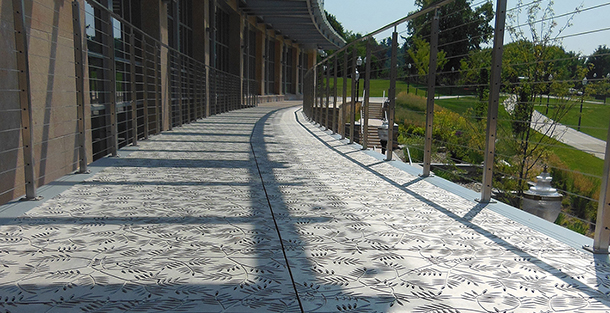
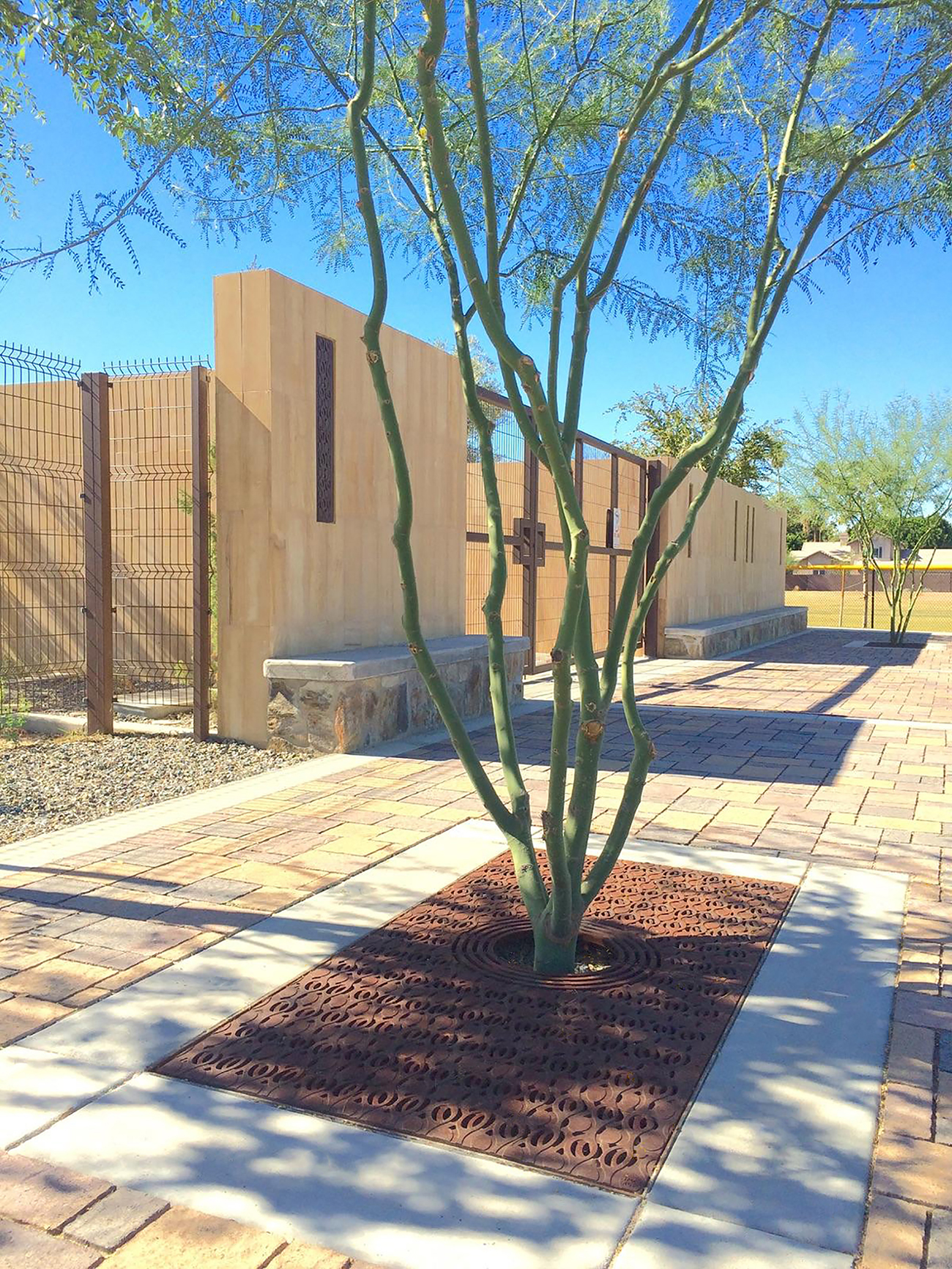
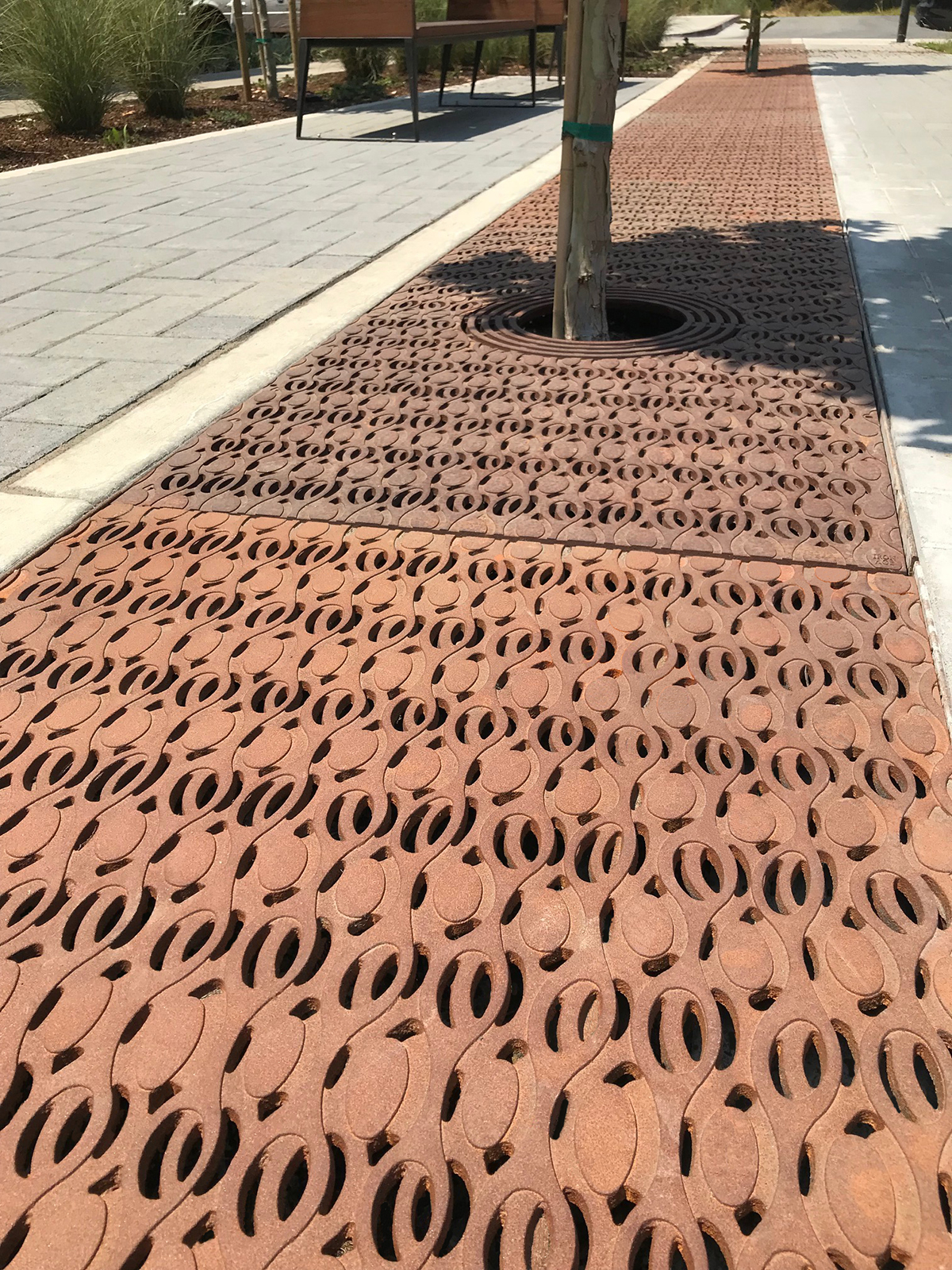
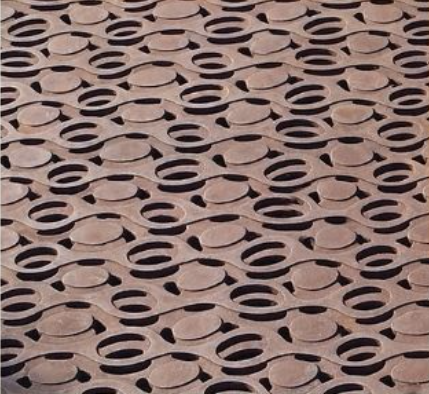
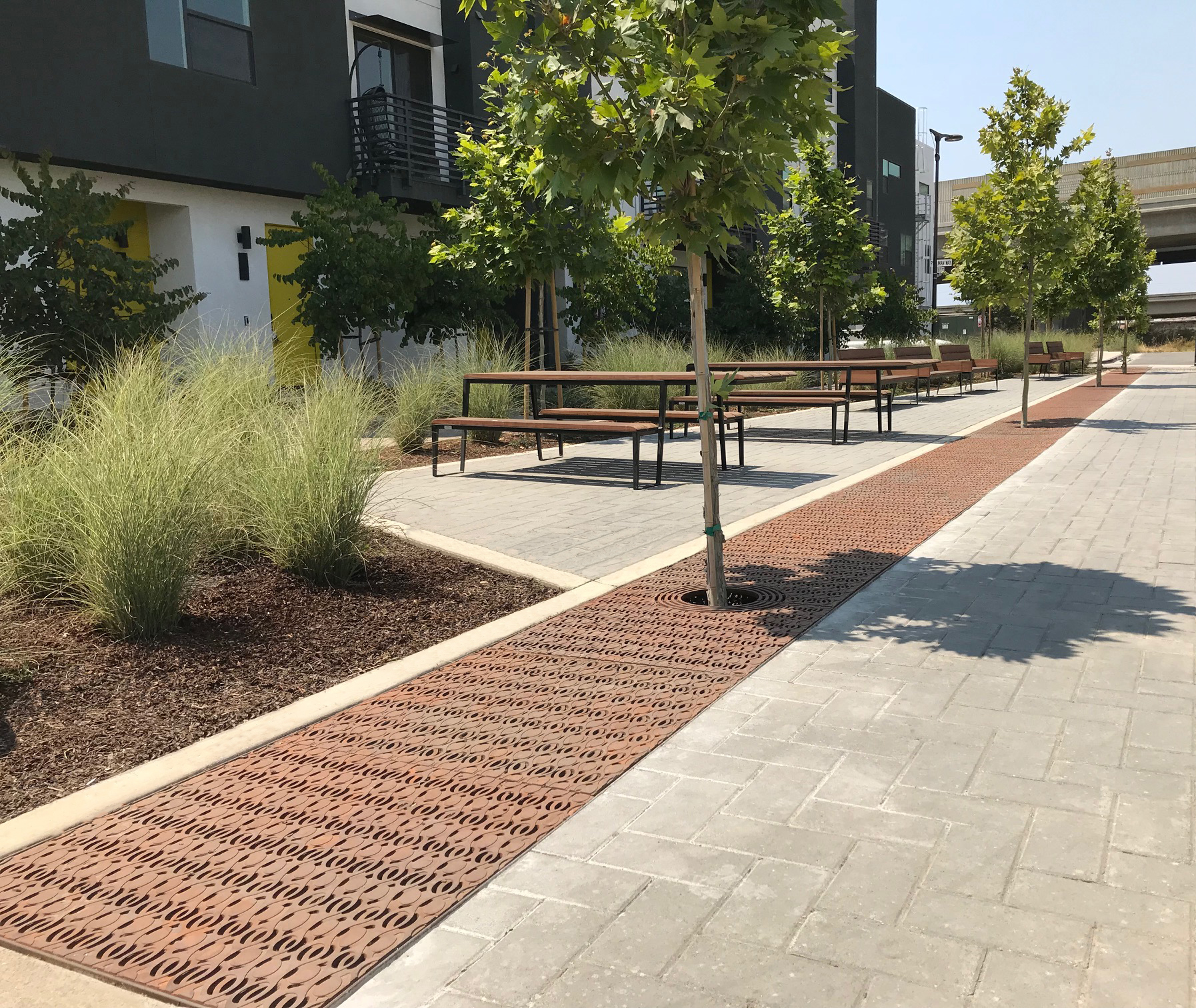
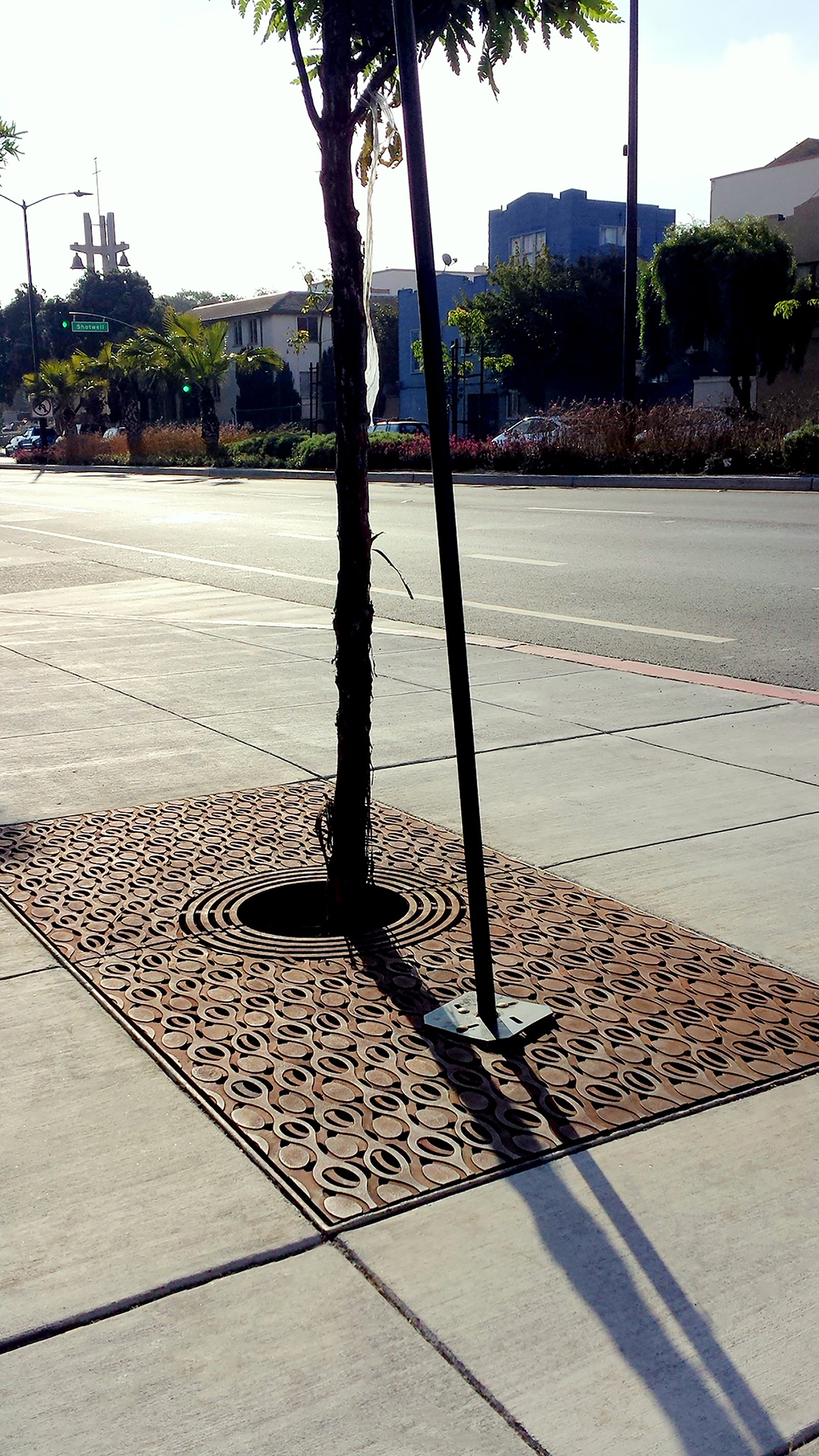
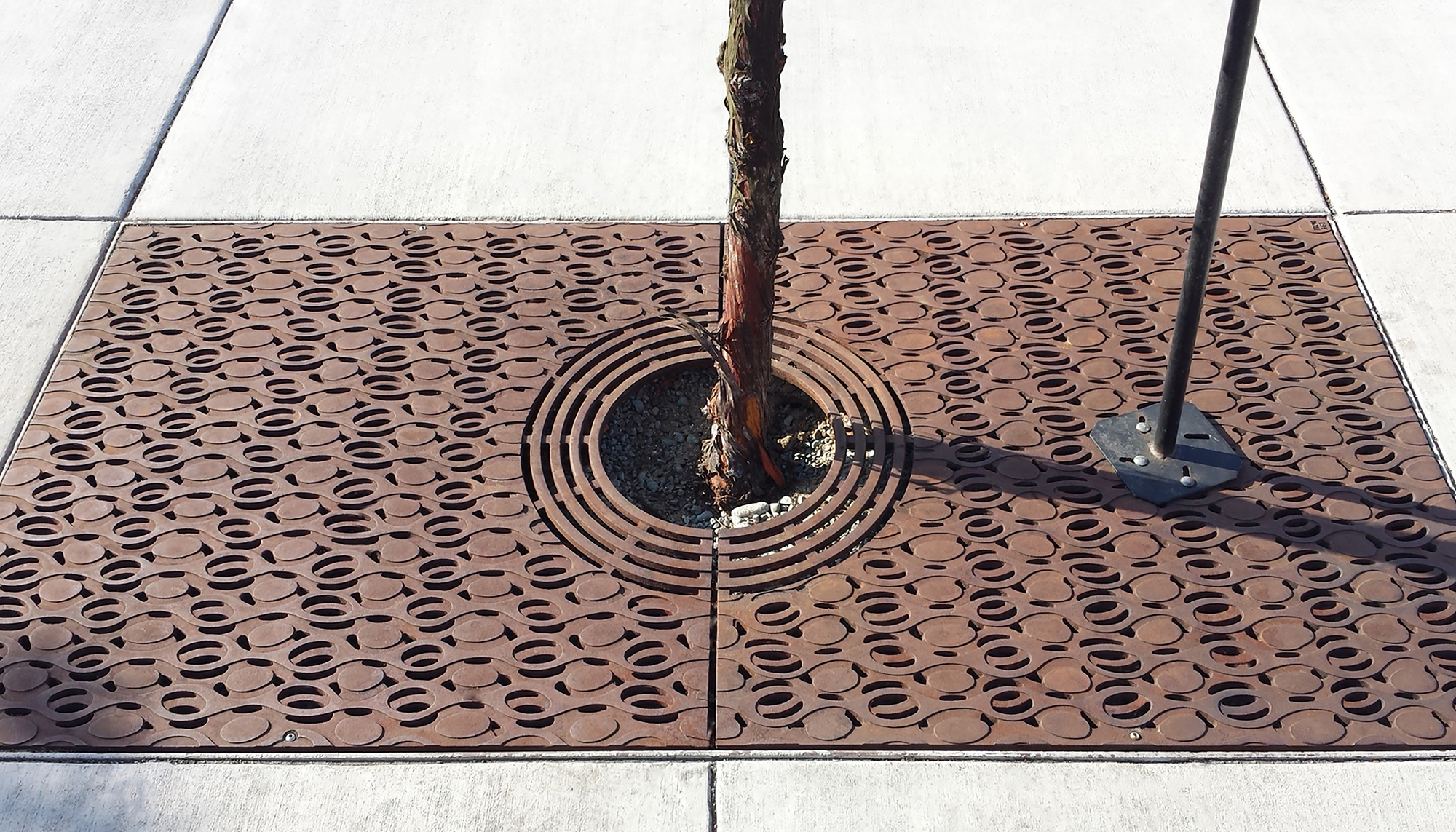
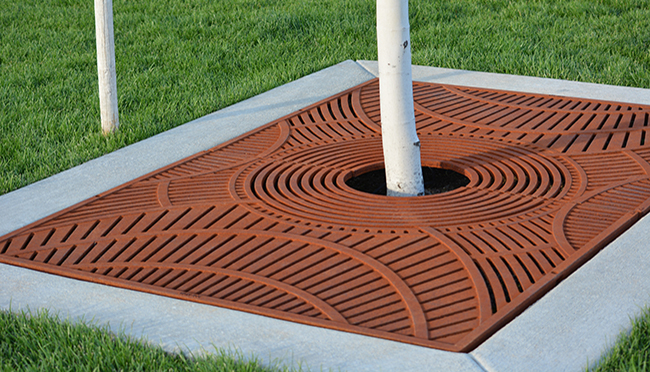
The organic arrangement and beautifully sculptured surface of our Janis pattern evokes river rocks and flowing water, adding a natural vitality to any landscape design.
INFORMATIONN
BRAND
Iron Age
PRODUCT TYPE
Tree Grates
PRODUCT ID
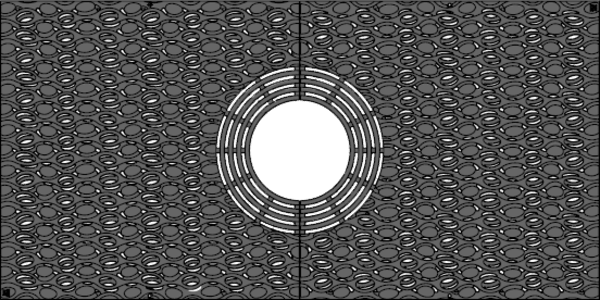
JX36-72I99TG
FITS
Iron Age Custom Frame
COLLECTION
Janis
PRODUCTTION
Made in USA
DIMENSIONS
- Length : 71.88 in
- Width : 35.88 in
- Thickness : 1.25 in
MATERIAL
Cast Iron
WEIGHT
244.58 lbs
OPTIONAL FINISHES
- Powder Coat
- Baked On Oil Finish
USE
Outdoor
RECYCLED CONTENT
80%
FREE DRAIN AREA
15.19%
STANDARD FINISH
Raw
OPTIONAL MATERIAL UPGRADES
- Cast Bronze
- Cast Aluminum
DESIGN
Janis 3' x 6'
ADA COMPLIANT
Yes
GALLONS PER MINUTE (GPM)
490.69
COPYRIGHT REGISTRATION NO
VA 1-970-782
MATERIAL - CAST IRON
CAST IRON
Cast iron is the most commonly specified material for our grates due to its exceptional durability, long service life, and cost efficiency. When left raw, it weathers naturally and develops a stable, protective patina over time.
GREY IRON (ASTM CLASS 25, 30, 35B)
Grey iron is the most widely used iron alloy worldwide and is the material used for the majority of our larger tree grates and catch basin grates. It offers excellent compressive strength and density at the most economical price point, making it ideal for robust, thick-section castings.
DUCTILE IRON (ASTM A536 GRADE 65-45-12)
Ductile iron is grey iron modified with magnesium, which alters the graphite structure and dramatically increases flexibility and tensile strength. This allows for thinner, lighter castings with a reduced risk of cracking or breakage while still meeting demanding load requirements.
HOW TO SPECIFY CAST IRON
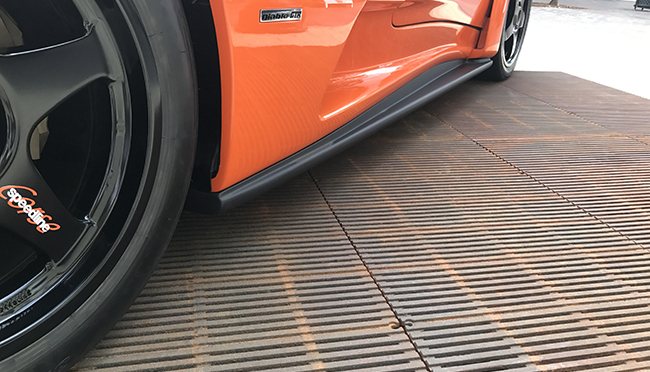
- Rather than specifying an iron alloy directly, we recommend specifying the required load rating for the application. Load Class requirements determine the appropriate material selection.
- Cast iron has been used for centuries in applications requiring exceptional durability and resistance to wear. When properly specified and installed, iron grates will perform reliably for decades.
TECHNICAL DATA
| LOAD CLASS | CAPACITY | APPLICATION |
|---|---|---|
| Load Class A | 3,372# – 15kN | Residential & light pedestrian traffic |
| Load Class B | 28,100# – 125kN | Sidewalks & small private parking lots |
| Load Class C | 56,200# – 250kN | Parking lots & general commercial areas |
| Load Class D | 89,920# – 400kN | Trafficked sections of roads & highways |
| Load Class E | 134,800# – 600kN | Industrial areas, gas stations & light commercial forklifts |
| Load Class F | 202,320# – 900kN | Aircraft runways, docks, heavy wheel loads |
MATERIAL - CAST BRONZE
CAST BRONZE
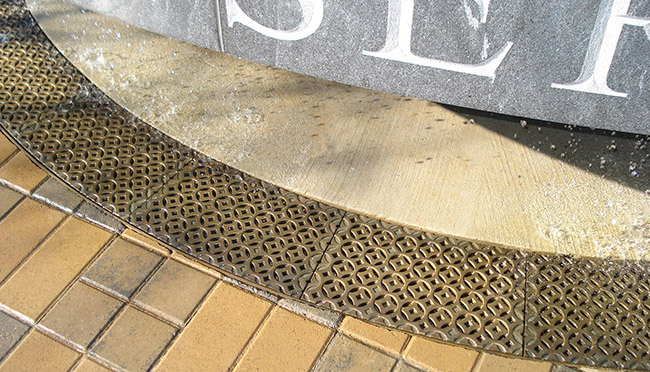
Bronze is a strong, durable material that casts beautifully and performs exceptionally well in corrosive environments such as coastal areas, fountains, and water features. Because bronze alloys are high in copper content, they weather naturally over time, developing rich surface character.
SILICON BRONZE (ALLOY C87500)
Gold in color when raw, silicon bronze ages much like copper, gradually deepening in tone with exposure. It is the most commonly used bronze alloy in our castings and offers an excellent balance of strength, durability, and visual warmth.
NICKEL BRONZE (ALLOY C99700)
Nickel bronze has similar strength and performance characteristics to silicon bronze, but with a lighter, more “white gold” appearance when raw. As it weathers, it develops softer, lighter highlights while retaining the same long-term durability.
HOW BRONZE WEATHERS OVER TIME
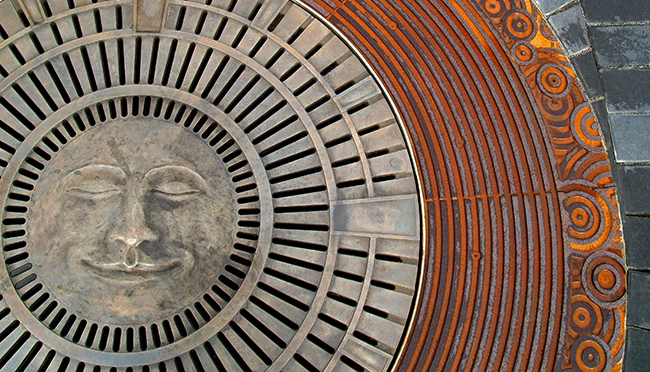
Bronze alloys respond to both environment and use :
- In low-traffic areas, bronze may develop verdigris, especially in humid or coastal conditions
- In areas with regular foot traffic, the surface becomes naturally burnished, creating contrast between recessed and raised area
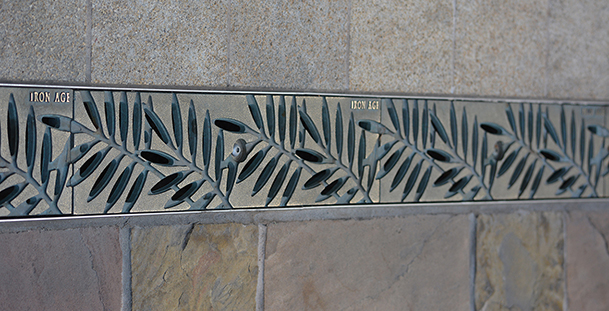
- The specific alloy influences the tone of the highlights, with silicon bronze reading warmer and nickel bronze appearing cooler
- Bronze does not rust, making it a preferred material where long-term corrosion resistance and visual richness are key design considerations.
MATERIAL - CAST ALUMINUM
CAST ALUMINUM
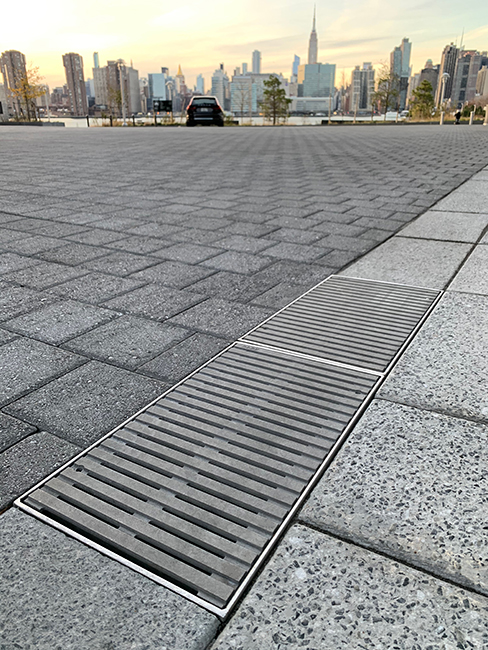
Cast aluminum is a strong, lightweight alternative to iron and bronze, often specified when reduced weight, corrosion resistance, or a stainless-steel-like appearance is desired. Raw aluminum is silver in color and weathers naturally to a soft pewter finish.
CAST ALUMINUM — A356 ALLOY (T6 HEAT-TREATED)
A356 aluminum can be heat-treated to T6 hardness, significantly increasing its strength. When properly engineered, it can meet heavy load requirements up to H-20, making it suitable for demanding applications where lighter weight is still a priority.
CAST ALUMINUM — 535 ALLOY (“ALMAG”)
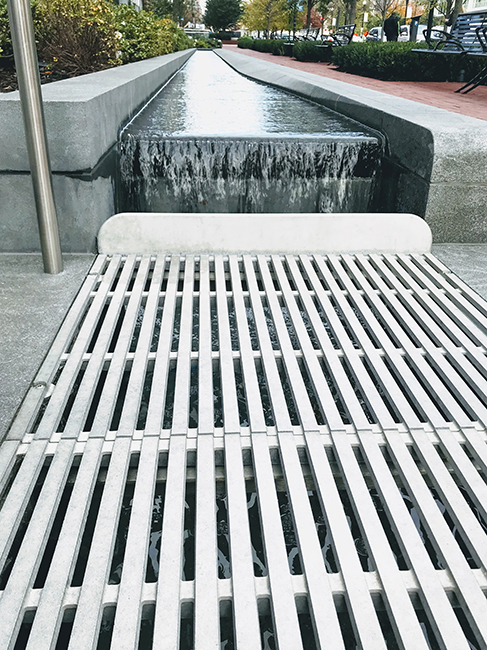
535 aluminum offers excellent corrosion resistance and is particularly well suited for use around pools, fountains, salt water, and marine environments. It is often selected for applications where long-term exposure to moisture or chemicals is expected.
WHY SPECIFY ALUMINUM
- High strength-to-weight ratio
- Excellent corrosion resistance
- Easier handling for large grates or removable site furnishings
- Compatible with surface treatments such as anodizing for added protection
Because aluminum alloys vary significantly in performance, selecting the proper alloy for the environment and load conditions is critical.